Numerology often gets grouped with prediction — future events, destiny, or fixed outcomes.
That’s understandable.
A lot of popular explanations present it that way.
But many people who work with numerology quietly use it for something else entirely: reflection.
This page explains what numerology actually is, why people find meaning in numbers, and how it can be approached thoughtfully — without treating it as fate.
What Numerology Is, at Its Core 🧠
Numerology is a symbolic system.
It assigns meaning to numbers in the same way:
- Language assigns meaning to words
- Maps assign meaning to symbols
- Stories assign meaning to patterns
Numbers themselves don’t cause events.
They’re used as reference points for reflection.
That distinction matters.
Why Humans Naturally Respond to Numbers 🤍
People notice numbers everywhere:
- Dates
- Ages
- Repeating sequences
- Calculations based on names or birth dates
This isn’t superstition by default.
The human mind is excellent at pattern recognition. Numbers provide structure — and structure helps us think about abstract experiences like personality, cycles, and tendencies.
Numerology gives language to those patterns.
Reflection vs Prediction (The Key Difference) ⚠️
Prediction says:
“This will happen.”
Reflection asks:
“What does this pattern suggest or highlight?”
When numerology is used predictively, it often creates:
- Anxiety
- Overconfidence
- Dependence on interpretation
When used reflectively, it can encourage:
- Self-observation
- Perspective
- Curiosity
- Insight without pressure
That difference changes everything.
Why Numerology Sometimes Feels Accurate 🌱
People often say:
“This description fits me exactly.”
That doesn’t mean numerology is controlling reality.
It usually means:
- The description is broad enough to resonate
- The reader recognizes familiar traits
- Reflection activates self-awareness
Insight often comes from recognition, not revelation.
This is why interpretations vary — and why no single reading should be treated as absolute.
Where Numerology Has Limits 🚫
Numerology is not:
- A decision-making authority
- A guarantee of outcomes
- A substitute for judgment
- A replacement for responsibility
When people treat numbers as rules instead of symbols, clarity is replaced by dependence.
Used thoughtfully, numerology supports reflection.
Used rigidly, it narrows thinking.
A Healthier Way to Use Numerology 🌿
Numerology works best when approached as:
- A lens, not a verdict
- A prompt, not an answer
- A starting point, not a conclusion
Instead of asking:
“What will happen to me?”
A calmer question is:
“What patterns or tendencies does this highlight?”
That question keeps interpretation flexible — and useful.
How This Fits with Awareness & Inner Work 🌱
When paired with awareness, numerology can:
- Encourage self-inquiry
- Highlight recurring themes
- Offer language for inner patterns
It doesn’t replace understanding.
It supports it.
And support works best when it remains optional.
Where to Go Next ➡️
From here, you may want to explore:
- What life path numbers actually represent
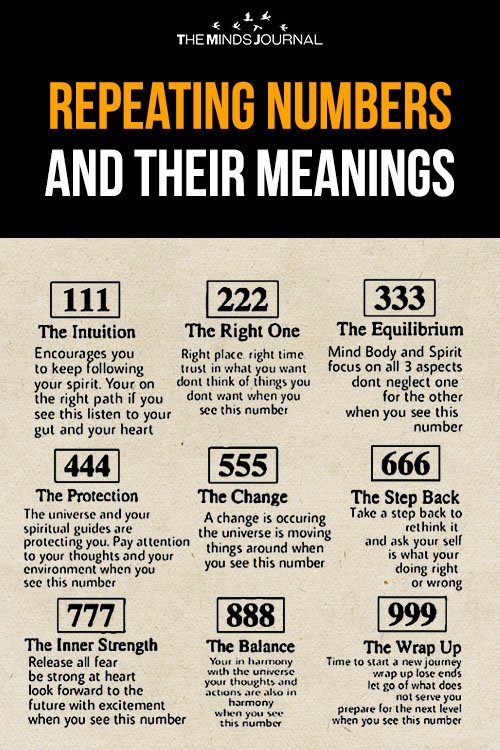
- Why people notice repeating numbers
- Whether numerology influences decisions
- Why numerology feels accurate sometimes
Each of these looks at one aspect more closely — without assuming belief.
Final Thought 🌙
Numerology doesn’t tell you who you are.
But it can offer a mirror — one of many — that helps you notice patterns you might otherwise overlook.
Used gently, it invites reflection.
Used carefully, it stays grounded.
That’s where it remains useful.
Where to Explore Further 🔢
If you’d like to look at specific aspects of numerology more closely, these articles explore common questions people often have:
- What life path numbers actually represent — understanding them as themes, not labels
- Why people notice repeating numbers — how attention and awareness play a role
- Can numerology influence decisions? — where it can help and where it shouldn’t
- Why numerology feels accurate to so many people — the psychology of recognition
- The limits of numerology people often overlook — why balance matters
🔒 NOTE
This content is shared for reflection and educational understanding only.
Numerology interpretations vary, and no specific outcomes are predicted or promised.